
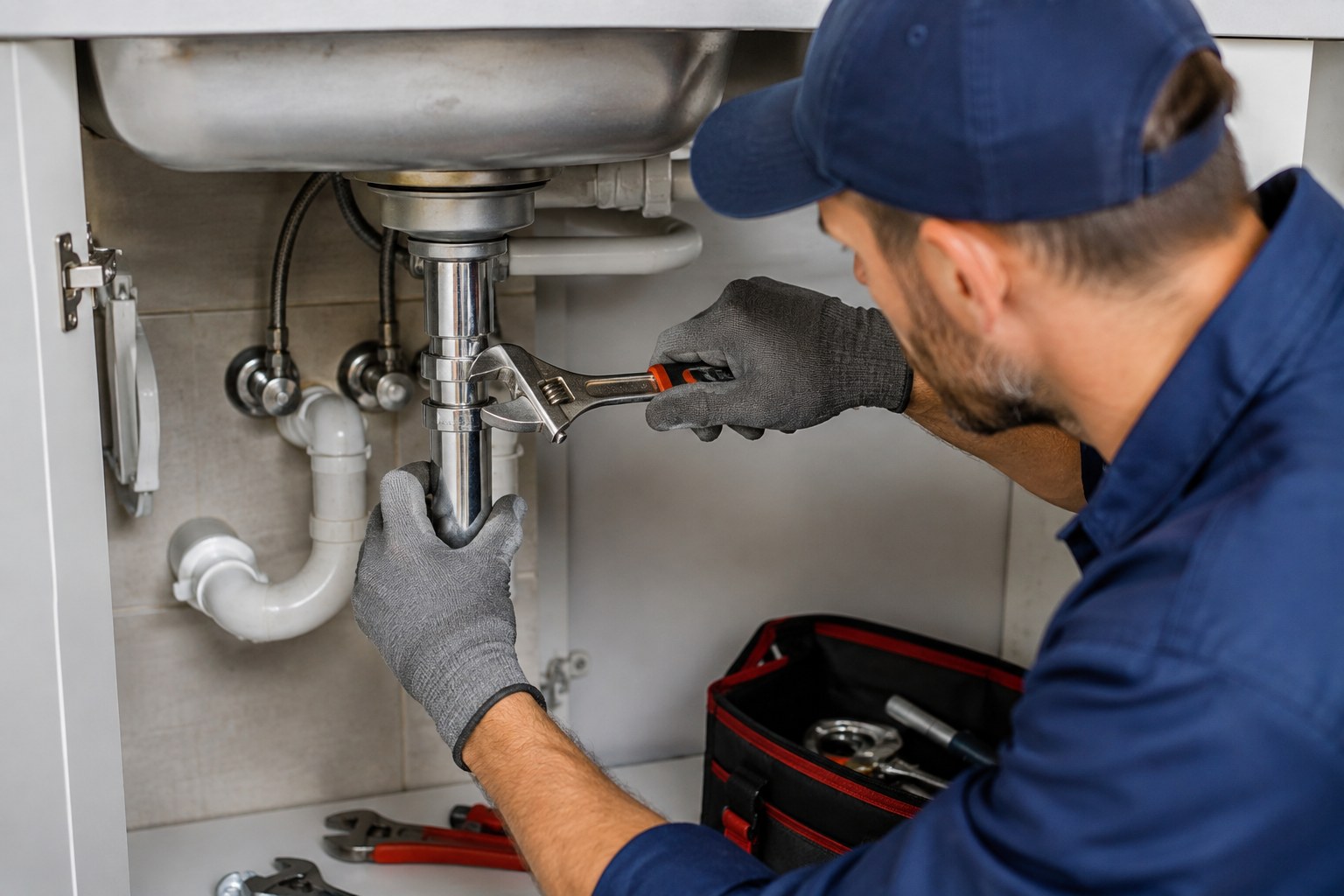
Routine plumbing maintenance helps extend the life of plumbing infrastructure by identifying minor issues before they become major problems. Regular inspections, servicing, cleaning, and repairs can reduce wear and tear, improve system performance, and help prevent costly failures. Maintenance also supports compliance, minimises disruptions, and protects assets such as pipes, drains, valves, fixtures, and water systems. A proactive maintenance approach helps maximise the lifespan and reliability of plumbing infrastructure across residential, commercial, and industrial properties.
Plumbing infrastructure is one of the most important systems within any building. From water supply and drainage networks to hot water systems, valves, fixtures, and specialised services, plumbing plays a critical role in supporting everyday operations. Like any building asset, plumbing infrastructure experiences wear over time. Without proper care, small issues can gradually develop into larger problems that affect performance, increase repair costs, and shorten the lifespan of the system. Routine maintenance helps address these challenges by keeping plumbing infrastructure operating efficiently and reliably for longer.
Why Plumbing Infrastructure Deteriorates
Plumbing systems are constantly exposed to water flow, pressure changes, environmental conditions, and daily use. Over time, pipes can corrode, fittings may loosen, seals can wear out, and drainage systems can accumulate debris. External factors such as tree root intrusion, ground movement, weather exposure, and ageing materials can also affect performance. While deterioration is a normal part of a system’s lifecycle, regular maintenance helps slow this process and minimise the impact on the overall infrastructure.
Early Detection of Problems
One of the greatest benefits of routine maintenance is the ability to identify issues before they become major failures. Small leaks, minor blockages, worn components, and developing corrosion can often go unnoticed during normal operation. However, if these issues are left unresolved, they may eventually lead to burst pipes, water damage, drainage failures, or costly repairs. Regular inspections allow plumbing professionals to detect and address problems early, reducing the likelihood of significant disruptions. Minor leaks can become particularly damaging when they remain undetected or unrepaired. Learn more about what happens when a burst pipe is left unrepaired and why early intervention can help protect plumbing infrastructure.
Reducing Wear and Tear
Plumbing systems operate more efficiently when they are properly maintained. Blocked drains, faulty valves, pressure fluctuations, and partially obstructed pipework can place unnecessary strain on infrastructure. Over time, this additional stress may accelerate wear and increase the risk of component failure. Routine servicing helps ensure systems continue operating as intended, reducing unnecessary pressure on equipment and extending its useful lifespan. Drainage systems also benefit from preventative attention, as developing blockages can place additional strain on plumbing infrastructure. Understanding how blocked drains can lead to property damage highlights the importance of addressing drainage issues before they become more serious.
Preventing Costly Repairs
Emergency plumbing repairs are often more expensive than planned maintenance. Major failures such as burst pipes, sewer overflows, hot water breakdowns, or water supply interruptions can result in significant repair costs and operational disruptions. In commercial environments, these incidents may also affect productivity, customer service, and workplace safety. By addressing small issues early, routine maintenance helps reduce the likelihood of expensive emergency call-outs and large-scale repairs.
Maintaining Water Efficiency
Leaks and inefficient plumbing fixtures can waste substantial amounts of water over time. Dripping taps, leaking valves, concealed pipe leaks, and faulty toilet cisterns may seem minor individually, but collectively they can contribute to increased water consumption and higher utility costs. Regular maintenance helps identify water wastage and ensures plumbing systems continue operating efficiently. Improved water efficiency not only reduces costs but also supports responsible resource management.
Extending the Life of Key Assets
Many plumbing assets represent a significant investment for property owners. Hot water systems, pumps, backflow prevention devices, drainage infrastructure, pipe networks, and specialised commercial plumbing systems all require ongoing care to achieve their expected lifespan. Routine servicing helps keep these assets in good working condition and may delay the need for costly replacements. Protecting existing infrastructure often delivers greater value than dealing with premature equipment failure.
Supporting Compliance and Safety
Many commercial and industrial properties are subject to plumbing-related compliance requirements. Backflow prevention devices, trade waste systems, gas infrastructure, and fire service components often require scheduled inspections, testing, and maintenance. Failure to maintain these systems may result in compliance issues or increased operational risks. Routine maintenance helps ensure critical infrastructure remains compliant, safe, and ready to perform when required.
Minimising Operational Disruptions
Unexpected plumbing failures can have a significant impact on daily activities. Water supply interruptions, blocked drains, leaking pipes, and equipment breakdowns can disrupt businesses, inconvenience occupants, and create safety concerns. Planned maintenance allows issues to be managed proactively, reducing the likelihood of sudden failures. A preventative approach helps maintain business continuity and provides greater confidence in the reliability of the plumbing system.
Routine maintenance is one of the most effective ways to extend the life of plumbing infrastructure. Regular inspections, preventative servicing, and timely repairs help reduce wear and tear, improve efficiency, prevent costly failures, and protect valuable assets.


